PhD Applications – IDIL 2026 Mirror Doctoral Contracts
What is an IDIL mirror doctoral project?
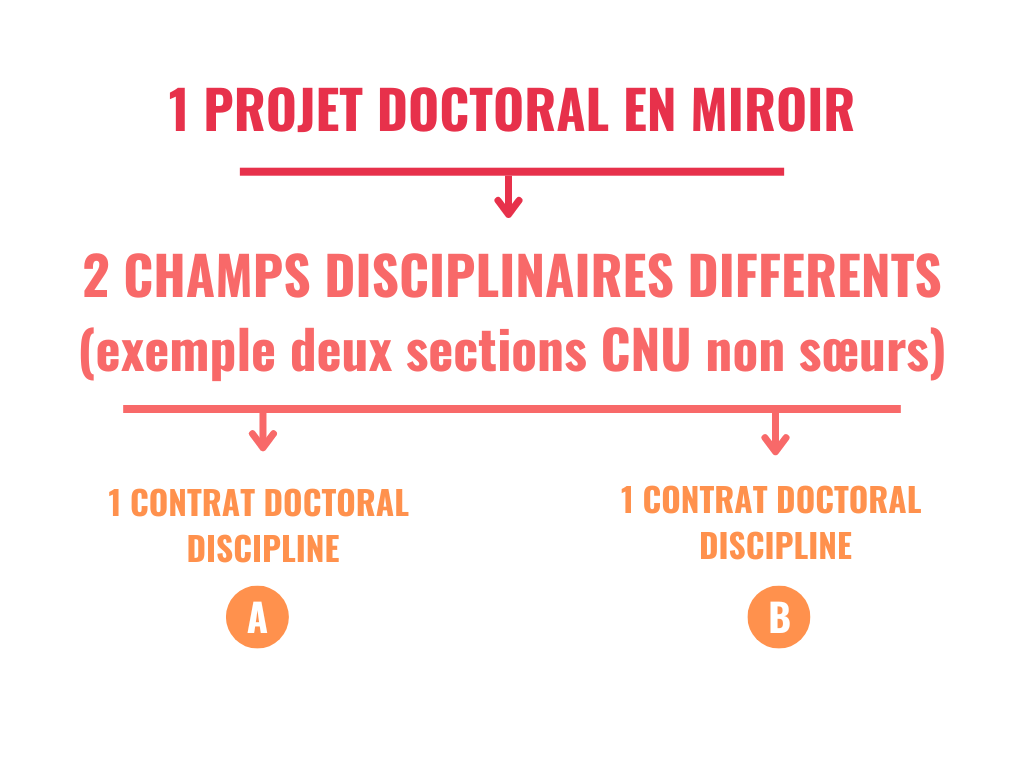
A mirrored doctoral project allows two distinct disciplinary theses to be integrated into a single multidisciplinary project.
The goal is to approach the same research project from the perspective of two different disciplines in order to promote a multidisciplinary approach. The methods and references specific to each of the disciplines involved must therefore be utilized.
For the 2026 academic year, the IDIL graduate program is funding six paired doctoral projects, for a total of 12 doctoral contracts over a three-year period.
Winners of the Call for Proposals: IDIL 2026 Mirror Doctoral Contracts
To apply for IDIL mirror doctoral contracts, prospective students must complete their applications and submit them by the deadline using the application form below.
Since the IDIL mirror doctoral project includes two different doctoral contracts in two different disciplines, each candidate must indicate on the form which doctoral topic within the project they wish to apply for (A or B).
Start date for the dissertations: October 1, 2026.
Thesis completion date: September 31 , 2029.
The six doctoral schools to which the successful doctoral candidates will be affiliated are as follows:
- Chemical and Biological Sciences for Health (CBS2)
- Doctoral School of Economics and Management (EDEG)
- Biodiversity, Agriculture, Food, Environment, Land, Water (GAIA)
- Information, Structures, Systems (I2S)
- Balard Chemical Sciences (SCB)
- Human Movement Sciences (HMS)
The required documents to be submitted in PDF format for evaluation:
- A cover letter, signed and dated
- Resume
- Transcripts for the third year of a bachelor’s degree (L3), the first year of a master’s degree (M1), and the second year of a master’s degree (M2) (or for all years of an equivalent program, such as a Engineering Diploma) with grade rankings. These transcripts should be combined into a single file.
Optional items to include with the application:
- Letter(s) of recommendation
Application deadline: May 6, 2026, 11 p.m. CET
Project No. 1: WEEDSCAPE | Weed Dynamics in Agricultural Environments: Spatial and Temporal Patterns and Pollination Mechanisms
Doctoral School A: GAIA
Doctoral School B: I2S
UMR 1: UMR 5175 – Center for Functional and Evolutionary Ecology (CEFE)
UMR 2: UMR 5506 – Montpellier Laboratory of Computer Science, Robotics, and Microelectronics (LIRMM)
Thesis Co-advisors: Elena KAZAKOU (GAIA), Alexis JOLY (I2S)
Details
TOPIC A – Life and Environmental Sciences
Dependence on Pollination and Weed Dynamics: Analyzing the Impact of Agricultural Practices, Invasive Species, and Pollinator Decline on Rare Field Plants
Thesis A adopts a functional perspective focused on pollination. Based on long-term plot monitoring and the functional traits of weed species, it will aim to determine whether temporal trends in weed occupancy differ according to pollination mode, and whether declining field-dwelling weed species are proportionally more numerous among those pollinated by insects. The project will also assess how the landscape and agricultural practices influence the presence and persistence of rare field-dwelling species. Finally, the thesis includes a field study on plant-pollinator interaction networks for one or two rare field-dwelling species in Occitanie. Sampling of insects and pollen load, combined with the analysis of pollination network metrics, will help identify the main pollinators and assess how these interactions are affected by the presence of invasive weeds that are also pollinated by insects.
Desired student profile:
The candidate must have a strong background in ecology and agronomy, as well as a solid grasp of community ecology and functional ecology. A good understanding of agricultural practices and their impact on plant communities is essential. Knowledge of crop weeds, particularly those found in cereal crops, will be considered a major asset. The candidate must also possess strong skills in statistics, programming (R), and managing large datasets. Experience with fieldwork would also be highly advantageous. Finally, the candidate must be comfortable with multidisciplinary work and demonstrate a strong interest in interdisciplinary research.
TOPIC B – Information, Structures, and Systems
Using Data Integration and Deep Learning to Model Weed Dynamics in Agricultural Settings
Thesis B focuses on the spatiotemporal modeling of weed distributions and aims to achieve broad spatial and taxonomic coverage through the integration of heterogeneous data: standardized vegetation surveys and presence-only citizen science observations (Pl@ntNet, iNaturalist). The goal is to fill gaps in vegetation surveys for hundreds of species and to use deep learning to capture and quantify the influence of landscape dynamics—as reflected in satellite imagery—on weed persistence.
Desired student profile:
The candidate must have a strong background in data science and demonstrate knowledge of and an interest in ecology or agronomy—or vice versa. An understanding of deep learning concepts, models, and algorithms would be an asset. He or she must also be proficient in programming in Python or R and be motivated to work within a highly interdisciplinary team.
Project Summary:
Weeds are a key component of agroecosystems, contributing not only to crop biodiversity but also to ecosystem services such as pollination. Recent decades have been marked by widespread changes in agricultural landscapes, including intensification, an increase in plot size, and a reduction in habitat diversity.
These changes have led to contrasting responses among weed species: Many rare crop-associated weeds have seen their populations decline, while generalist or invasive species have proliferated. Understanding the ecological and functional factors driving these dynamics is essential for designing agricultural systems that preserve both biodiversity and essential ecosystem services.
The WEEDSCAPE project aims to study weed dynamics in agricultural landscapes by combining large-scale spatiotemporal modeling with functional and interaction-based ecological approaches. It addresses three main questions: (i) how does the presence of weed species change over space and time, (ii) how do landscape structure and agricultural practices influence these trends, and (iii) how are weed dynamics related to pollination mode and plant-pollinator interactions, particularly for rare crop-associated weed species. Two doctoral dissertations will address these questions simultaneously using complementary approaches at different scales.
Project No. 2: METABONEP | Metabolomic and functional exploration of bacteria associated with entomopathogenic nematodes: toward new metabolites for biocontrol and microbial ecology
Doctoral School A: GAIA
Doctoral School B: SCB
UMR 1: UMR 1333 – Diversity, Genomes, and Microorganism-Insect Interactions (DGIMI)
UMR 2: UMR 5247 – Max Mousseron Institute of Biomolecules (IBMM)
Thesis Co-advisors: Alyssa CARRE-MLOUKA (GAIA), Sébastien DUTERTRE (SCB)
Details
TOPIC A – Life and Environmental Sciences
Purification, Function, and Biological Activities of Specialized Bacterial Metabolites Associated with Entomopathogenic Nematodes
Desired student profile:
The ideal candidate will hold a master’s degree (or equivalent) in microbiology, biochemistry, or biotechnology, and will demonstrate a strong interest in microbial chemical ecology as well as in the discovery of specialized metabolites and natural compounds using analytical chemistry tools.
He or she must have a solid foundation in experimental microbiology (bacterial culture) and, ideally, have some prior experience in the extraction, purification, and characterization of metabolites (liquid chromatography, biological assays). Knowledge of mass spectrometry and/or bioinformatics (genome analysis, antiSMASH tools) is also desirable.
The candidate must demonstrate rigor, independence, and critical thinking, while also being able to thrive in an interdisciplinary environment at the intersection of microbiology and analytical chemistry. A strong motivation for research, an interest in applications in biocontrol and agroecology, and a good command of scientific English are also required.
TOPIC B – Chemistry
IIdentification and quantification of specialized bacterial metabolites in the ecological niche of entomopathogenic nematodes
Desired student profile:
The ideal candidate will hold a master’s degree (or equivalent) in analytical chemistry, biochemistry, metabolomics, or biomolecular sciences, and will demonstrate a keen interest in metabolite analysis and “omics” approaches applied to environmental microbiology.
He or she must have a solid foundation in mass spectrometry (ideally LC-MS/MS, HRMS) and analytical data processing, as well as some experience in the preparation of complex biological samples and in chromatography. Skills in bioinformatics applied to metabolomics (data processing, annotation, molecular networks) and in statistical analysis will be highly valued.
The candidate must demonstrate rigor, independence, and strong analytical skills, while also being able to thrive in an interdisciplinary environment at the intersection of analytical chemistry and microbiology. A passion for research, an interest in applications in biocontrol and agroecology, and a good command of scientific English are also required.
Project Summary:
Entomopathogenic nematodes used in biocontrol harbor a bacterial microbiota whose members may exhibit biological activities of interest; among these, bacteria of the genera Xenorhabdus and Pseudomonas are known for their insecticidal, antimicrobial, and plant-growth-promoting properties. This multidisciplinary project, combining approaches from microbiology, biochemistry, and analytical chemistry, will focus on identifying, quantifying, and characterizing the molecular components (specialized or secondary metabolites) in the context of crop health, in line with the “One Health” approach.
This project will rely on targeted and untargeted metabolomic analyses coupled with high-resolution mass spectrometry approaches to explore the diversity of specialized bacterial metabolites associated with entomopathogenic nematodes, using Xenorhabdus PAX lipocyclopeptides as a reference, for which tools are already in place. The establishment of molecular networks will enable the identification of new metabolites potentially involved in the interactions between these bacteria, the nematodes, and their host environment. Some of these compounds will then be structurally and functionally characterized to assess their role in the nematodes’ ecological niche and their potential applications. In addition, an integrative approach combining bioinformatics tools for genomic analysis with in vitro and in vivo biological assays will enable us to establish correlations between the production of these metabolites and their effects against plant pathogens, as insecticides, or as plant growth promoters.
In addition to the scientific implications for understanding the role of specialized metabolites produced by Xenorhabdus and Pseudomonas in a symbiotic context, this project could pave the way for new biocontrol strategies based on bacteria or natural bacterial compounds. Identifying these molecules and characterizing their activities would make it possible to explore their application in an agroecological context, in line with current efforts to reduce chemical inputs and develop sustainable biological solutions for crop protection.
Project No. 3: INFLAM-NCOND-A | Chronic inflammation modulates transcriptional condensates regulated by noncoding RNAs: experimental studies and modeling
Doctoral School A: CBS2
Doctoral School B: I2S
UMR 1: UMR 9002 – Institute of Human Genetics (IGH)
UMR 2: UMR 5221 – Charles Coulomb Laboratory (L2C)
Thesis Co-advisors: Rosemary KIERNAN (CBS2), Andrea PARMEGGIANI (I2S)
Details
TOPIC A – Chemical and Biological Sciences for Health
Dynamic Regulation of Transcriptional Products by Non-coding RNAs Derived from Enhancers and Promoters in Inflammatory Transcriptional States
Desired student profile:
We are looking for a highly motivated and inquisitive candidate who has a keen interest in gene regulation, RNA biology, and nuclear organization.
Candidates must have a strong background in molecular and cellular biology, biochemistry, or a related field. Prior experience with techniques such as cell culture, RNA biology, genome-wide approaches, or fluorescence microscopy will be considered an asset but is not required. A genuine willingness to learn new methods and to engage in cutting-edge experimental approaches is expected.
The project takes place in a highly interdisciplinary environment, in close collaboration with a theoretical physics team. Candidates must therefore be enthusiastic about working atthe interface between biology and physics and be open to both conceptual and quantitative approaches.
Successful candidates must demonstrate:
- Good communication skills in English.
- Strong analytical and problem-solving skills.
- Ability to work both independently and as part of a team.
- Curiosity, thoroughness, and a motivation to engage in interdisciplinary research.
TOPIC B – Information, Structures, and Systems
Statistical Mechanics of Nuclear Transcriptional Condensates: Numerical and Analytical Models for Studying Their Assembly, Dynamics, and Regulation via RNA Flows
Desired student profile:
We are looking for a highly motivated and inquisitive candidate who demonstrates a keen interest in the theoretical physics of biological and complex matter.
The successful candidate will hold a master’s degree in theoretical physics. A background in statistical physics and critical phenomena is strongly preferred. Although prior knowledge of biology is not required, a strong motivation to engage with and learn biological concepts is essential for developing this interdisciplinary dissertation topic.
During the Ph.D. program, students will develop expertise in theoretical statistical physics, field theory, and numerical simulation techniques—including Monte Carlo and molecular dynamics methods (e.g., Brownian motion)—as well as in the numerical integration of (nonlinear) partial differential equation systems. They will also acquire strong skills in analytical computation.
Successful candidates must demonstrate:
- Good communication skills in English.
- Strong analytical and problem-solving skills in theoretical and computational physics.
- Ability to work both independently and as part of a team.
- Curiosity, rigor, and a motivation to engage in interdisciplinary research, particularly in the physics of living matter and complex systems.
Project Summary:
Chronic inflammatory diseases pose a growing challenge to society and public health worldwide. Their incidence has risen sharply in recent decades, in connection with environmental, dietary, and lifestyle factors. Prolonged exposure to pollutants, dietary imbalances, and low-level, repeated inflammatory stimuli is now recognized as a major factor in sustained immune activation. These conditions are associated with persistent alterations in gene expression patterns in innate immune cells, particularly macrophages, which maintain inflammatory transcriptional states long after the initial stimulus.
At the cellular level, these sustained inflammatory responses cannot be explained solely by transient signaling pathways but are based on stable or semi-stable regulatory mechanisms operating at the level of transcription and nuclear organization. Recent advances have revealed that transcription is spatially organized within the nucleus via dynamic biomolecular condensates, which concentrate transcription factors, coactivators, and RNA polymerase II at active regulatory regions. These condensates are increasingly recognized as key regulators of transcriptional robustness and responsiveness, although the mechanisms controlling their formation, stability, and adaptability remain poorly understood.
A key feature of active regulatory regions is the local production of short-lived non-coding RNAs, such as enhancer RNAs (eRNAs) and PROMPTs. These RNAs, produced in close spatial and temporal proximity to transcriptional condensates, remain confined to the nucleus and can actively influence the behavior of the condensates through effects dependent on concentration, sequence characteristics, and RNA-protein interactions, positioning themselves as dynamic regulators of nuclear organization rather than mere byproducts of transcription.
This mirrored doctoral project represents a new collaboration between two teams—one in experimental biology (IGH) and the other in theoretical physics (L2C). It aims to elucidate how noncoding RNAs derived from amplifiers and promoters dynamically regulate transcriptional condensates and contribute to the persistence of inflammatory transcriptional states. The project combines precise experimental perturbations of nuclear RNA levels, quantitative imaging of condensate dynamics, and long-read RNA sequencing to characterize the length, structure, and modifications of RNAs. In parallel, a mirror project with a physics-mathematics focus will model how RNA concentration, sequence characteristics, and length influence the formation and stability of condensates, providing an interconnected framework linking molecular observations and physical principles.
By integrating experimental biology and theoretical physics, this project seeks to establish a mechanistic framework linking RNA biology, nuclear organization, and persistent inflammation. Beyond the inflammatory context, it aims to reveal the general principles by which environmental and metabolic signals that modulate long-term gene regulation act through the physical organization of the nucleus, shedding light on the interaction between RNA, chromatin, and transcriptional condensates.
Project No. 4: CYCLIC | Nanocatalysis for a Circular and Resilient Chemistry
Doctoral School A: EDEG
Doctoral School B: SCB
UMR 1: UMR 5281 – Actors, Resources, and Territories in Development (ART-Dev)
UMR 2: UMR 5253 – Charles Gerhardt Institute of Montpellier (ICGM)
Thesis Co-advisors: Sandrine MICHEL (EDEG), Armelle OUALI (SCB)
Details
TOPIC A – Economics & Management
Nanocatalysis for Sustainable and Resilient Chemistry: An Assessment of the Conditions for Implementing the Circular Economy in a Pervasive Industry
The fact that seven of the nine identified planetary boundaries have been crossed (, Sakschewski et al., 2025) confirms the unsustainable nature of our economic development models—a reality foreshadowed more than fifty years ago by the *Limits to Growth* report—which undermine the integrity of ecosystems and threaten the resilience of human societies. A new geopolitics of resources is emerging (Hache et al., 2019) and, unfortunately, is taking the form of intensified competition for remaining resources at the expense of sustainable development goals. In this context, the concept of the circular economy has been receiving increasing attention since the early 2010s. The concept encompasses a range of practices—from reduction to recycling, spanning a continuum of technical loops—that form a toolkit for sustainable development.
This thesis topic aims to investigate the potential of circular economy practices for the French chemical industry from the perspective of sustainable development and industrial resilience. The chemical industry is still far from a circular model (Kümmerer et al., 2020), even though it plays a key role as a supplier of inputs to other industries. Furthermore, it relies on raw materials, which exposes it to price volatility—particularly for hydrocarbons and certain metals, whose importance is heightened by the deployment of low-carbon and digital technologies.
Desired student profile:
Degree: The candidate must hold a master’s degree in economics. A specialization in the economics of natural resources, energy, the environment, and sustainable development, or in the economics of innovation and new technologies, will be considered an asset.
Profile:
- Proficiency in econometric techniques and quantitative analysis tools.
- A very strong understanding of microeconomic analysis and modeling approaches.
- Excellent writing skills.
- An interest in the natural sciences and topics that combine the environment and new technologies.
- Strong teamwork skills gained through a collaborative thesis project with chemistry researchers.
Computer Skills:
- Strong proficiency in using econometric analysis software and prior experience in leading a research project (including in an academic setting).
Languages:
Fluency in French (written, spoken, and read) and a very good level of written English comprehension. Strong writing skills in English are highly valued.
TOPIC B – Chemistry
Development of magnetothermally activatable copper-based nanocatalysts for the dehydrogenation of bioethanol into hydrogen and organic molecules
Metal nanocatalysts represent a promising solution for the development of more efficient and sustainable chemical processes, provided that their stability, recyclability, and energy efficiency can be controlled. Furthermore, the dehydrogenation of alcohols is a reaction of major interest, as it enables both the production of high-value-added organic molecules, such as aldehydes and esters, and the production of hydrogen. In this context, ethanol emerges as a resource of choice due to its abundance and the possibility of producing it from renewable sources (bioethanol). Furthermore, the acetaldehyde and ethyl acetate formed in this process are key intermediates in the chemical industry, produced on a large scale (1 to 3 Mt/year globally). This reaction generally requires high temperatures (>250 °C) and the use of noble metal catalysts (Pd, Pt, Au, Ag), although copper is a more abundant and economically attractive alternative.[1–3]
The most efficient catalytic systems consist of metallic copper (Cu⁰) nanoparticles dispersed on oxide supports such as SiO₂ or ZrO₂, whose acid-base properties strongly influence the selectivity of the reaction. However, conventional synthesis methods (impregnation, calcination, reduction with H₂) remain energy-intensive and offer limited control over the morphology of the nanoparticles, a parameter that is critical for catalytic activity and stability.
This project aims to develop hybrid nanocatalysts incorporating copper (Cu⁰) nanoparticles supported on magnetic architectures with cores of iron oxide (Fe₃O₄) or cobalt ferrite (CoFe₂O₄), coated with SiO₂ or ZrO₂ shells. These multifunctional materials will enable easy magnetic separation, precise control of the catalytic environment, and activation via localized magnetic heating (magnetothermy), thereby reducing the overall energy input.[4]
The project is structured into three main stages carried out iteratively to optimize the catalytic system and operating conditions. The first stage involves the synthesis of magnetic nanoparticles and their functionalization with controlled oxide layers (dense or porous SiO₂, doped-stabilized ZrO₂).[5-8] The second stage involves the controlled deposition, under mild conditions, of copper nanoparticles using an organometallic method, in order to adjust the size, dispersion, and oxidation state of the active sites.[9-10] The third step involves the catalytic evaluation of the dehydrogenation of ethanol to acetaldehyde and/or ethyl acetate, under conventional thermal and magnetothermal activation, with the aim of correlating structural properties, applied fields, and catalytic performance.
The materials will be characterized using electron microscopy (TEM, HRTEM, SEM-EDX), surface spectroscopy (XPS, IR), colloidal analysis (DLS, zeta potential measurement), and magnetic measurements (SQUID). Catalytic performance will be evaluated using GC-MS and NMR in terms of activity, selectivity, and recyclability. The magnetothermal conversion capacity will be studied using magnetic induction and relaxation measurements, supplemented by local thermal analyses.
The expected results include the development of high-performance, recyclable copper-supported catalysts that can be remotely activated by a magnetic field, as well as a better understanding of the relationships between structure, magnetic properties, and catalytic reactivity.
References : [ 1] Kumar, 2021. [2] Phung, 2022. [3] Huang et al., 2021. [4] Pavelic et al., 2025. [5] Lartigue et al., 2019. [6] Nigoghossian et al., 2022. [7] Abdel Sater et al., 2025. [8] Sayilkan et al., 2009. [9] Ouyang et al., 2022. [10] Amiens et al., 2013.
Desired student profile:
Candidates must hold a Master’s degree (M2) or an engineering degree in chemistry (materials chemistry, catalysis, nanoscience). Strong theoretical expertise in heterogeneous catalysis and/or materials chemistry is essential. Significant experience in experimental research is required, ideally supported by a research internship (at the Master’s level or equivalent) in nanoparticle synthesis, heterogeneous catalysis, or materials chemistry.
Technical and analytical skills:
- Experience with physicochemical characterization techniques (electron microscopy, XPS, spectroscopy, DLS, etc.) and the implementation of catalytic reactions will be highly valued.
- Knowledge of analytical methods for characterizing the organic products obtained (GC-MS, NMR) will be considered an asset.
- An interest in interdisciplinary research atthe interface of chemistry and physics—particularly involving the properties of nanoparticles and/or magnetism—would be appreciated.
Project Background (“Mirror” Thesis): This project is part of a broader collaborative and interdisciplinary framework known as the “Mirror” doctoral project, involving close and regular interaction with a parallel thesis in economics. This collaboration will add an additional dimension to the work, fostering ongoing exchanges on issues related to sustainability and resource efficiency, as well as on the techno-economic and environmental prospects of the catalytic processes being developed.
Personal Qualities: The candidate must demonstrate scientific rigor, independence, strong analytical skills, and a genuine interest in experimental research. An open-minded approach to interdisciplinary collaboration within a multidisciplinary research environment is essential. Good communication skills in English are required.
PROJECT NO. 5: MUSE-MF | MUlti SEnsor Muscle Function
Doctoral School A: I2S
Doctoral School B: SMH
UMR 1: UMR 5506 – Montpellier Laboratory of Computer Science, Robotics, and Microelectronics (LIRMM)
UMR 2: UR_UM102 – EuroMov Digital Health in Motion (EuroMov DHM)
Thesis Co-advisors: Serge BERNARD (I2S), Stéphane PERREY (SMH)
Details
TOPIC A – Information, Structures, and Systems
Development of an Integrated System for Multimodal Assessment of Muscle Function
The objective of this thesis is to develop an innovative wearable device that enables a comprehensive, real-time, and noninvasive assessment of skeletal muscle function. The goal is to combine advanced bioimpedance measurements (multifrequency BIS) and surface electromyography (sEMG) within a single device. This multimodal device will enable the simultaneous observation of neuromuscular activation and deep muscle contraction in an active individual, thereby paving the way for an integrated and reproducible understanding of muscle function in situ.
Desired student profile:
Academic Background: A master's degree (or equivalent) in Electrical Engineering or Microelectronics.
Technical Skills:
- Experience in integrated circuit design; skills in analog circuit design are a major asset.
- Knowledge of microcontroller programming, particularly STM32.
- Strong knowledge of electronics (schematic design and PCB routing).
- Experience with the Cadence design flow or equivalent electronic design automation (EDA) tools.
Scientific knowledge:
- Solid knowledge of analog electronics: instrumentation amplifier stages, OTAs, etc.
- Ability to understand and analyze complex multiparameter systems.
- Prior experience in electronics as applied to the life sciences or biomedical applications is preferred.
Experimental skills:
- Ability to draft and adapt experimental protocols.
- Ability to work in patient-centered settings.
Personal Qualities (Soft Skills):
- Strong motivation for research and learning.
- Ability to work independently and as part of an interdisciplinary team.
- Strong written and oral communication skills in English.
- Organizational skills and attention to detail.
Research area: Multisensor integrated circuits for the analysis of physiological signals.
TOPIC B – SHuman Movement Sciences
Integration of EMG and Bioimpedance to Continuously Characterize the Neuro-Contractile Determinants of Muscle Function
The objective of this dissertation is to continuously quantify and understand the neuro-contractile mechanisms that determine muscle function in humans during various motor tasks, using simultaneous multifrequency EMG and BIS measurements within a wearable device. The joint analysis of electrical activation (EMG) and structural changes associated with contraction (BIS) will enable the identification of biomarkers capable of quantifying and dissociating the neural and contractile contributions to muscle function during distinct motor tasks.
Desired student profile:
Academic background: Master’s degree (or equivalent) in biomedical engineering, sports science (APAS, EOPS, IEAP), neuromuscular physiology, or biomechanics of movement.
Technical Skills:
- Basic to intermediate knowledge of biological signal processing (biosignals), with an interest in electromyography and bioimpedance.
- Familiarity with time series analysis, feature extraction, signal denoising, and artifact removal.
- Data analysis and modeling (preferred): basic knowledge of statistical analysis and machine learning techniques applied to biomedical data, and a willingness to learn advanced modeling approaches.
Programming skills: Python and/or MATLAB.
Scientific knowledge:
- A fundamental understanding of human muscle physiology and neuromuscular function.
- Strong interest in the integration of multimodal physiological signals.
Experimental skills (preferred):
- Experience with physiological data acquisition systems, conducting experiments on human subjects (knowledge of ethical considerations is a plus), and an interest in fieldwork involving sensors and instrumentation.
- Research potential: demonstrated ability to conduct independent work on a master’s thesis or research projects, to analyze data, and to critically interpret results, with a strong interest in experimental design and validation.
Personal Qualities (Soft Skills):
- Strong motivation for research and learning.
- Ability to work independently and as part of an interdisciplinary team.
- Strong written and oral communication skills in English.
- Organizational skills and attention to detail.
Research area: Neuromuscular physiology and biomechanics of movement.
PROJECT No. 6: EV-POX-UP | Enhancing the therapeutic potential of extracellular vesicles using polyoxazolines
Doctoral School A: SCB
Doctoral School B: CBS2
UMR 1: UMR 5253 – Charles Gerhardt Institute of Montpellier (ICGM)
UMR 2: U1183 – Stem Cells, Cellular Plasticity, Tissue Regeneration, and Immunotherapy for Inflammatory Diseases (IRMB)
Thesis Co-Advisors: Vincent LAPINTE (SCB), Marie MORILLE (CBS2)
Details
TOPIC A – Chemistry
Synthesis and Structure-Function Relationships of Functional Lipopoly(oxazoline)s for Biomedical Nanoassemblies
Desired student profile:
The candidate must hold a master’s degree or an engineering degree in polymer chemistry, with a strong interest in applications in the healthcare field. Skills in polymer synthesis would be an asset. The candidate must also demonstrate an ability to work atthe interface between chemistry and biology.
TOPIC B – Chemical and Biological Sciences for Health
Surface functionalization of extracellular vesicles using POx to improve stability and therapeutic efficacy in systemic sclerosis.
Desired student profile:
The candidate must hold a master’s degree in life sciences, biotechnology, biochemistry, biomedical engineering, pharmacy, or a related field. The ideal candidate will have a strong background in cellular and/or molecular biology; an interest in extracellular vesicles or nanomedicine would be a major asset. Experience in mammalian cell culture and in vitro functional assays would be an advantage. The candidate must demonstrate a strong commitment to translational research within a multidisciplinary environment.
Project Summary:
The EV-POx-UP project aims to develop next-generation drug delivery systems and therapies based on extracellular vesicles (EVs) for systemic sclerosis (SSc), a rare autoimmune connective tissue disease characterized by multiorgan fibrosis, vasculopathy, and immune dysregulation. Among its complications, diffuse interstitial lung disease (ILD) is a major cause of mortality. Despite their intrinsic anti-inflammatory and anti-fibrotic properties, extracellular vesicles (EVs) derived from mesenchymal stromal cells (MSCs) present significant challenges for clinical translation, including limited in vivo stability, rapid clearance, and poor efficiency in binding to exogenous therapeutic molecules.
To overcome these limitations, the project aims to design and synthesize a versatile library of lipopoly(oxazoline) (LipoPOx) polymers (Ph.D. Project 1), featuring varying chain lengths, different lipid anchors, and diverse terminal functionalities, to enable the incorporation of fluorescent probes and a therapeutic peptide. This library will enable the development of two complementary therapeutic approaches:
(1) LipoPOx nanoassemblies for the design of new drug delivery systems (Ph.D. project 1). The self-assembly process and the stability of these polymers under physiological conditions will be systematically characterized.
(2) Functionalization of the surface of EVs derived from MSCs with LipoPOx (Ph.D. project 2). LipoPOx will be used to functionalize the surface of EVs in order to improve their stability and confer stealth properties suitable for intravenous administration as well as local administration to the lungs via nebulization. POx-functionalized EVs (POxEVs) as well as EVs modified with the peptide (Pep-POxEVs) will be produced and evaluated for the first time via nebulization.
For both of these systems, in vitro studies will evaluate immune interactions, cellular uptake, and antifibrotic and anti-inflammatory effects on fibrotic dermal fibroblasts and lung epithelial-macrophage co-culture models (Ph.D. project 2). Regarding POxEVs, in vivo studies will compare the therapeutic efficacy and biodistribution of EV formulations administered via nebulization or intravenously in a murine model of HOCl-induced SSc, providing essential information on the benefits of targeted pulmonary delivery (PhD project 2).
This dual doctoral program integrates polymer chemistry, EV engineering, and preclinical evaluation to establish a modular, PEG-free nanotherapeutic platform geared toward clinical translation. This platform is expected to fully harness the potential of EV-based therapies for SSc and to introduce a new class of synthetic nanovectors, paving the way for the treatment of other fibrotic diseases and the expansion of nanomedicine applications in pulmonary drug delivery.
Selection of Doctoral Students
Students will be selected by adoctoral student admissions committee consisting of 7 members for each of the selected projects:
• 1 IDIL representative
• 2 relevant thesis advisors
• 1 representative from each of the relevant doctoral schools (2 members DS)
• 1 representative from each of the relevant laboratory departments (2 UMR members)
Three candidates will be interviewed per topic (for a total of six for a mirror project)

What is a doctoral contract?
A doctoral contract is a 3-year fixed-term employment contract (CDD) that allows a doctoral student to be employed by a public institution to complete his or her dissertation.
International students: The doctoral contract provides you with comprehensive social security coverage. You can begin making retirement contributions in France and recover those contributions if you are a citizen of an EU country. You will also be eligible for “unemployment benefits” at the end of your employment contract.
For more information, please visit the Campus France website:
Social Security for Doctoral Students
The "Talent Passport – Researcher" Long-Term Visa
FINANCING
IDIL funding covers the gross salary of doctoral students, including payroll taxes, as well as facility costs of up to €5,000 per year for the host laboratory (for a total cost of €15,000 over three years per doctoral student).
GOOD TO KNOW
The average salary for a doctoral student is about 1,800 euros net per month.